

loopy
- 13 Posts
- 26 Comments


That’s true. I suppose others can benefit from seeing the questions and thought processes.
Side note, I was told this was an Algerian vine, but now that I see you say Pothos and looked that up, it does appear to be a Pothos.

Thanks! And thank you for all of the guidance. I don’t have a greenthumb naturally.
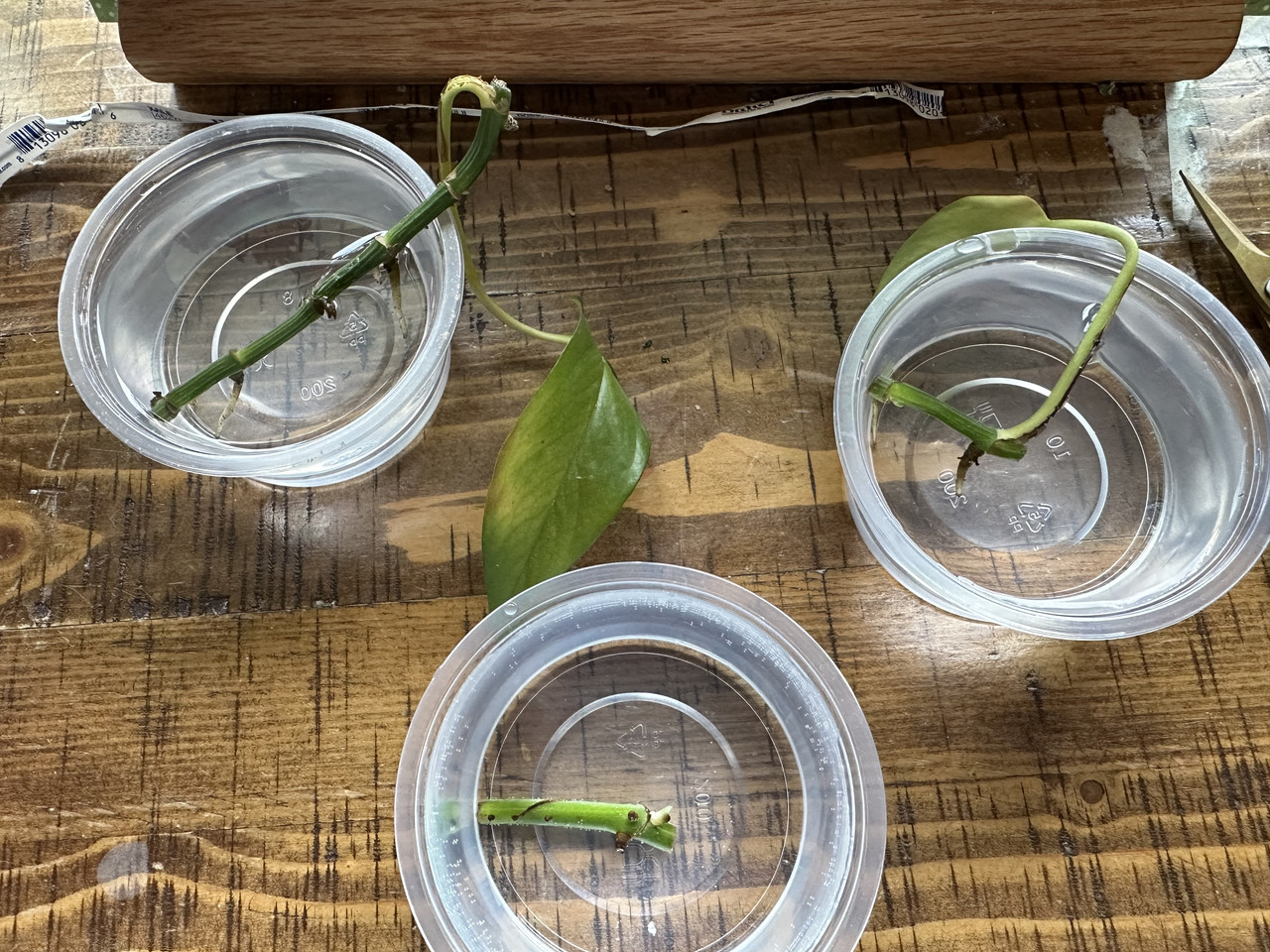
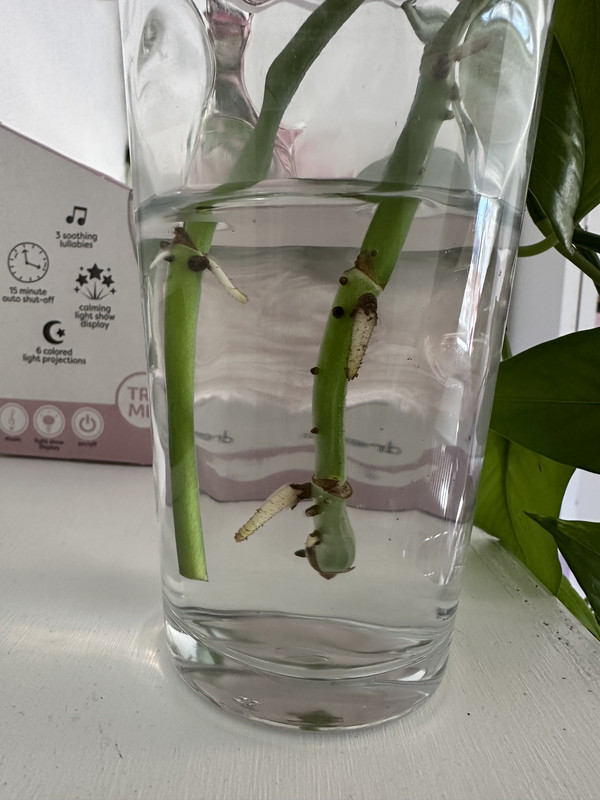
Can you tell if sprouting part of the smallest one is a stem or root? It’s not coming out of the root node so I assume it is a stem. But wouldn’t it want to grow a root first? I can use some bread ties to keep that part out of water.
If you feel comfortable with it, could we connect with Element or SimpleX or your preferred messenger? I’d really love to learn more as I go. I have plans to plant lentils, grape vines, and a Lapins cherry tree. There is just so much information on the Internet that it’s hard to pick a strategy sometimes.
I had it on for a few days straight and it didnt smell at all. But I think to be safe, I’m going to keep it unplugged and then run it for couple of hours each month (with the furnace turned off).
Oh gotcha. Yeah I don’t really have an HVAC person to ask, but I found a few reputable sources on YT and they recommended on the underside of the coils, because that’s where the moisture (and then bacteria) accumulate.
Here is an update on the clippings: https://i.postimg.cc/J06y4xRJ/IMG-3769.jpg
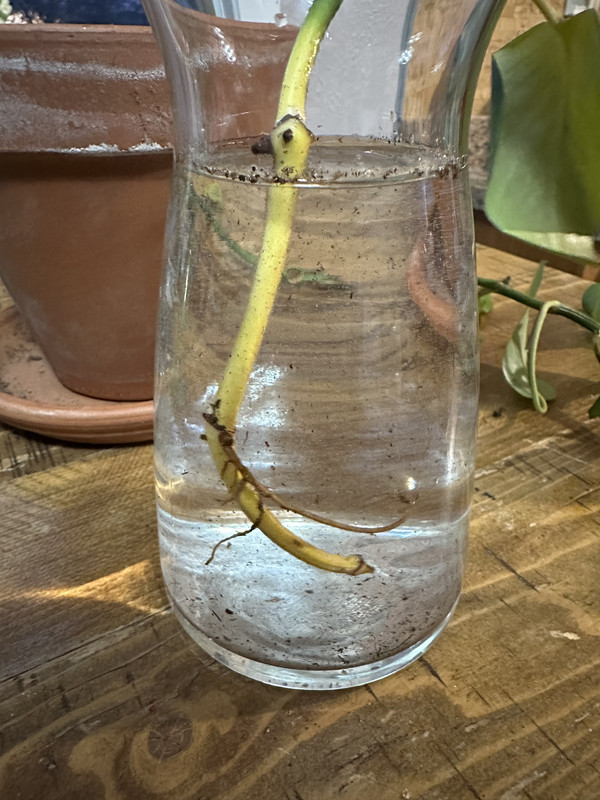
I did end up keeping the blue and purple ones together and seem to be doing well. The smallest one’s leaf turned brown, so I pulled it off. It looks like either a root or leaf is trying to sprout out. Is it okay to keep it submerged without a leaf.
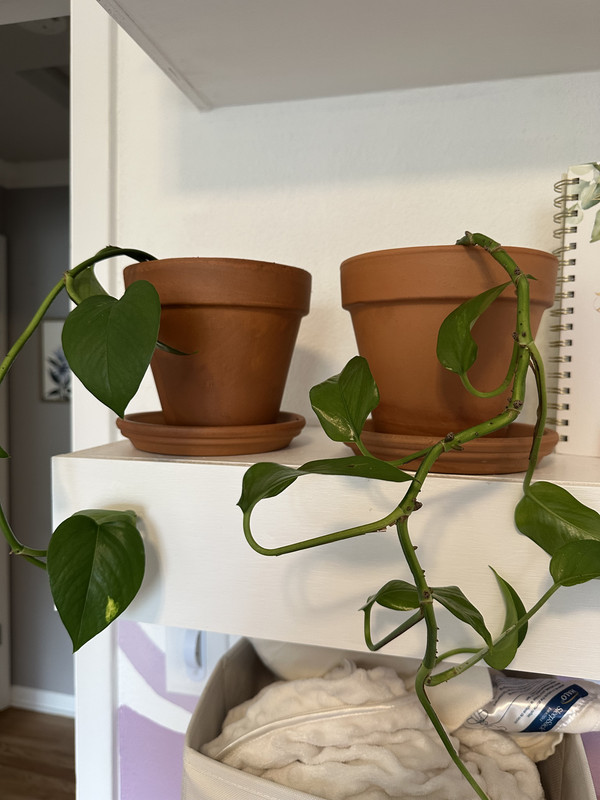
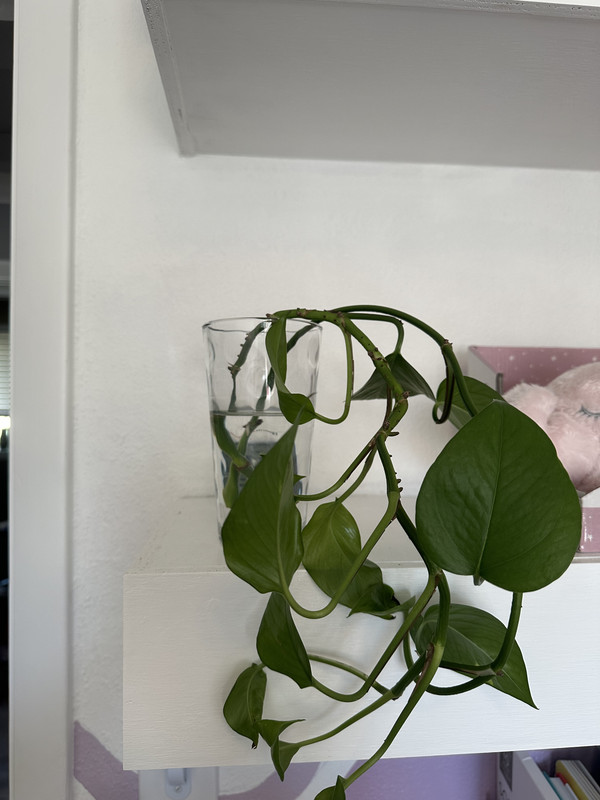
Here are the first ones I had. I let the roots get pretty long and transferred them to vases. I put enough water to get the soil damp and will only plant to water once per week. But do they need more water for the transition from straight water to soil? https://i.postimg.cc/C5PZL7w8/IMG-3770.jpg
Huh, I hadn’t thought about turning the light on for short periods. And if ozone is mostly generated with moving air, then turning the light on with the furnace off seems to be safest. Thanks for the suggestion.
Thanks for pointing that out; I was unaware of that. After educating myself a little, it looks like UV light below about 200nm wavelength generate ozone, but 254nm is the sweet spot for killing microbes. The light I got works at the 254nm wavelength.
The US EPA recommends a concentration of less than 70ppb, Canada 40ppb, and the WHO 30ppb. This model has been tested by the California Air Resources Board at 13ppb.
That’s reassuring, but I’m still looking more into this. Do you have any recommended resources for gaining more insight on ozone generation?
https://www.environics.com/2025/02/17/regulations-ambient-ozone-concentration/
https://www.environics.com/2025/02/17/regulations-ambient-ozone-concentration/
Thank you, that makes sense. I did not realize the air all gets forced through like that.
What do you mean by “ before it splits?” I’m still learning a lot, but the general consensus of where to place the UV light was on the bottom side of the A-frame, because that’s where the moisture will accumulate and allow for bacteria and fungus growth.
I ended up drilling a hole and mounting the light right into that end plate, and then drilling another hole in my new access panel for the cord, and putting duct putty around the hole.


My friend finally got back to me and said the same thing. I guess I learned something about furnace coils. I ended up making a compromise and just mounting the light into that end plate.

 1·1 month ago
Rex Krueger, Paul Sellers, and Wood by Wright are all great free options online. My favorite people to follow and I wish I had learned about them sooner are Joshua and Mike with Mortise and Tenon Magazine.
The M&T guys approach woodworking from a more traditional angle, as opposed to starting modern and working backwards. I really enjoy their mix of philosophy references and practicing traditions for crafting by learning from the past.
They have some free YouTube videos that are pretty great; Maybe you could watch those and get a feel for what their style is. If their approach is something that resonates with you, the books Worked and Joined are essentially beginners manuals for traditional hand tool woodworking, in the photos are very helpful. They also have other books and magazine authors that specialize in things such as wood carving, green wood, working, and furniture making. They discussed even Native American woodworking with very basic tools, as well as the French group Carpenters Without Borders that only use axes.
Please let me know if I can help direct you in any other way. I absolutely love that I found hand to woodworking as a craft. It is a lifelong endeavor and so rewarding. The struggles are challenging, but make everything very worthwhile. I honestly feel more grounded and more human, making things with hand tools.
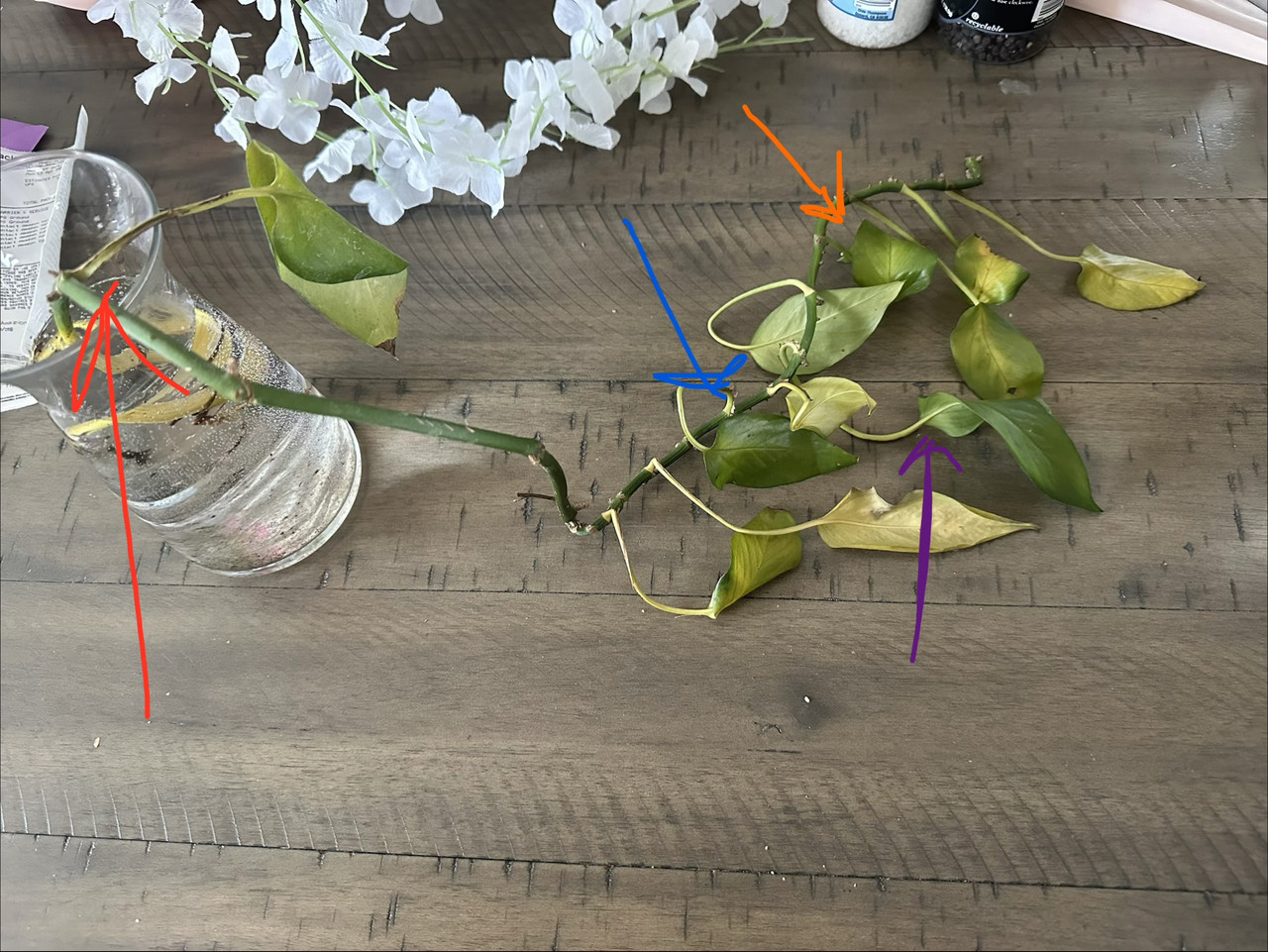
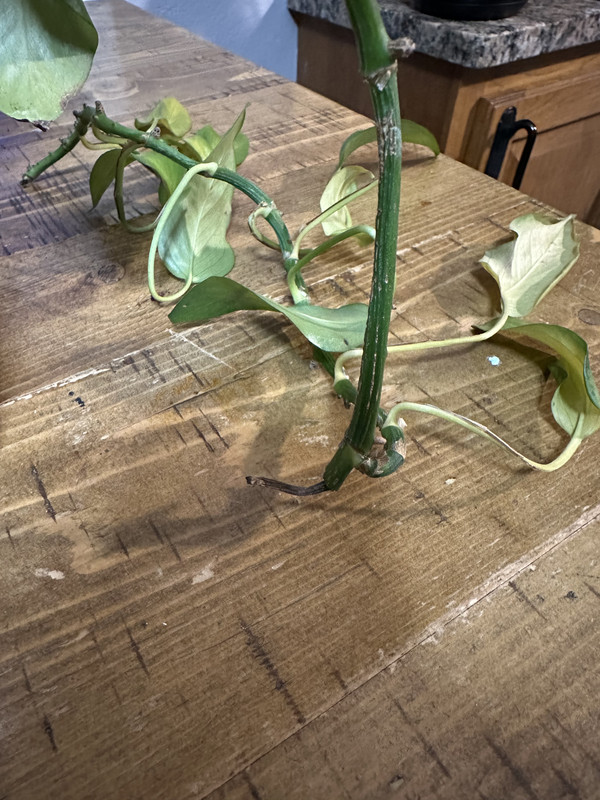
Would you say the red line leaf is worth trying to save with the rest of the sad roots it has now?
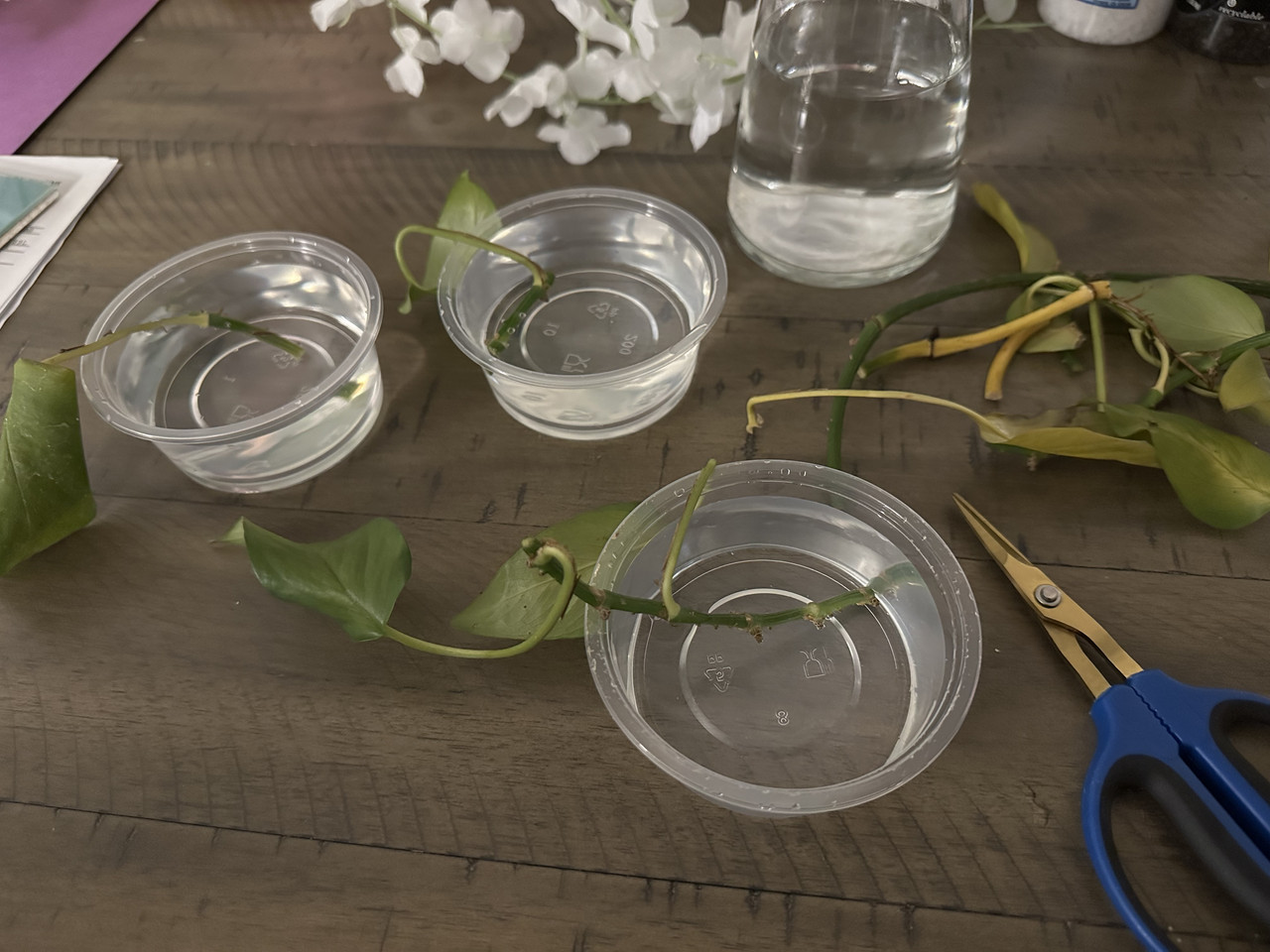
I’ll try making those cuts and post a follow-up on how it works out. I’ll probably keep the blue and purple together like you said, but drop the purple if it struggles.
https://i.postimg.cc/65Xn3Fwj/IMG-3581.jpg
Here are the clippings. One more question I guess, do the tops of the clippings’ stems need to be sticking out of the water or is it okay that they are submerged while in water to grow roots? They are just so short, but I suppose I could use bread ties to hold them in position.
https://i.postimg.cc/jSnG8pgk/IMG-3578.jpg
Okay so what would you consider a good leaf? I drew lines where I guessed might be good to cut above. The red on is big and not completely yellow, the blue and purple ones look good but are somewhat close together. The purple one has a root nodule opposite of the leaf/stem connection and one more below it, opposite of the bad leaf I would prune below it, so it would have two nodules, but would it just be better to put the purple and blue together one one cutting? The orange one also has one node opposite and one node below it.
https://i.postimg.cc/kgRkj0YP/IMG-3579.jpg
https://i.postimg.cc/GmTZMWg1/IMG-3580.jpg
Here is the other one I put in water right away and is doing better. How much do you let the roots grow before putting it in soil? And would you recommend changing the water every 1-2 days? It’s hard to know what advice to listen to.
Thanks for the in-depth reply. I put it in some water and out of the direct sunlight. How can you tell if there is root rot? I’m guessing the moisture control soil must be the kind that retains, because I havent watered it for a few days but it feels slightly damp.
How can I tell if there is enough root to support the plant? And if I trim it back to a leaf node, do I include a leaf?
Here are some pictures of the root and leaf node: https://i.postimg.cc/CLKyzxD2/IMG-3572.jpg
A few days ago. I’m trying not to do too much at once but I don’t want to wait if it needs a change. The person I got it from said to just try the roots in a glass of water for a few days and then transfer to soil with not too much water if it looks better.
 1·2 months ago
Yeah, I agree with that philosophy. Like someone else said, there are many ways to go about security. I guess I’m just looking for leads on what others have seen as worthwhile, and then try to understand those before I do them.

B seems more natural to me





 8·5 months ago
In his book “Why We Sleep,” Mathew Walker explained that Alzheimer’s detection via EEG monitoring during sleep was a major reason he decided to switch to studying sleep 20 years ago. He was trying to originally study diseases like Alzheimer’s and found that there was not much information on why identification on EEG was detectable before symptoms occurred, such as forgetting items’s locations.
I wonder if this is along the same lines, like a wider variety of EEG signal detection, clearer or more accurate diagnosis, or something entirely different. It looks like subjects were still awake but in a restful state, so maybe testing also does not require as much time as a full sleep study.
Thanks for the thorough response. That makes sense to not reinvent the wheel for syncing and keeping things simple. And yeah, I suppose using the same Task Pony instance would work for sharing.
Thanks again for making something useful and free for the world.






Thanks for the in-depth review of GOS. It is definitely an adjustment in many ways, but I do think my phone usage has become more “disciplined” because things are not so accessible.
A few suggestions you might find useful:
If all else fails, there is the Aurora app store for apps that you absolutely cannot replace and need from the Play Store. I had to do this for Outlook and a 2FA app for work, but just made a separate “Work” profile on the phone to separate everything.