

9·
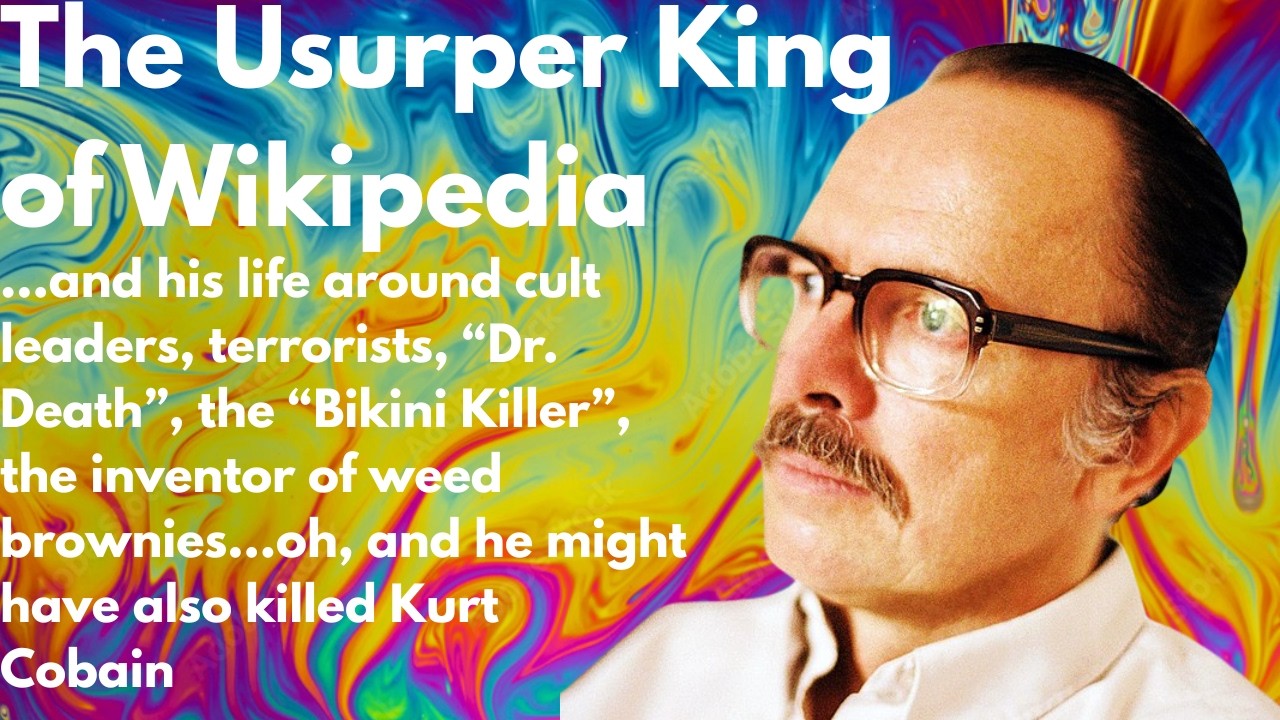
7 days agoSometimes I feel inadequate. I was clumsy when burning Justin M. Keyes and, regardless of whatever trust was lost, I haven’t felt better even after a week of making fun of fascists. Maybe burning somebody else will help? I’d like to share my notes on Dan “Opcode” Jonsson, a relatively-unknown right-wing influencer, before he gets popular enough to have money. I think he’s spooked on Lobsters recently, but he’s been uploading to Youtube multiple times per week and there’s plenty to explore.
If this is also too clumsy and leads to Jonsson deleting his YT channel: good, actually! It’s the only source of revenue that I can find for his opinions. So I’m not going to worry too much about it.
click for notes
- Daniel Jonsson
- Unconfirmed, but lots of hints
- Despite using Fedora, unhealthy amount of shilling for Omarchy
- Reads a book purely because of a DHH recommendation 1
- Lobsters
- YouTube
- Right-wing guy in front of microphone opining about news headlines
- Small fry: only about 1k subscribers currently
- Recommended videos from a private window include Brodie Robertson, Jon Blow, Casey Muratori, Primeagen, Lex Friedman with guest DHH
- So it seems that YT’s recommender thinks he’s part of the Standup podcast crew, ideologically
- Tries out chatbot recommended by DHH 1
- Defends DHH and Vaxry, supports Omarchy funding, calls Linux users “clowns” and “goblins”, complains about culture war and codes of conduct 1
- Video defending The Quartering 1
- Defends XLibre 1
- Notably, says DEI is bad, says Trump is DEI, says Big Tech is bad and DEI
- So, maybe not fascist, just stupid and prone to worshipping white supremacists? But that’s still a fascist
- Notably, says DEI is bad, says Trump is DEI, says Big Tech is bad and DEI
- Right-wing guy in front of microphone opining about news headlines
- Mastodon:
atDanOpcodeatmastodon.social (deliberately breaking link because not sure whether Lemmy will ping Mastodon usernames)- Toot prominently features “88” in an image 1
- Suggested alt text: “Approve sign in request [padlock with outline of person] Open your Authenticator app and approve the request. Enter the number if prompted. [box] 88”
- On its own, just a dog-whistle; with the rest of the evidence, starting to sound like a Neo-Nazi
- Will become monetized on YT after 1k subscribers 1
- So… I guess he’s making money on YT now?
- And he’s only sharing YT videos on Mastodon when they’re about relatively neutral tech topics; he uploads culture-war takes at least once per week but isn’t sharing them on Mastodon
- Toot prominently features “88” in an image 1








I’m disappointed in the maths community but not regretting my decision to avoid taking maths as a major. This is remarkably in line with the mentality cultivated by the typical maths department and must be a frustrating daily experience.
If you ever reopen the topic with your colleagues, an interesting starting point might be their thoughts on theorem 14 from this suite; in my opinion, Lean 4 is clearly untrustable. The lack of awareness of this issue seems to stem from the same blind spot that leads to lack of awareness of non-mathematical cognition: whaddaya mean it doesn’t all reduce to one particular pile of symbols which all fit together perfectly?