
Care to share with us not in the know?
They used real human skeletons because it was cheaper to pick them up from medical suppliers.
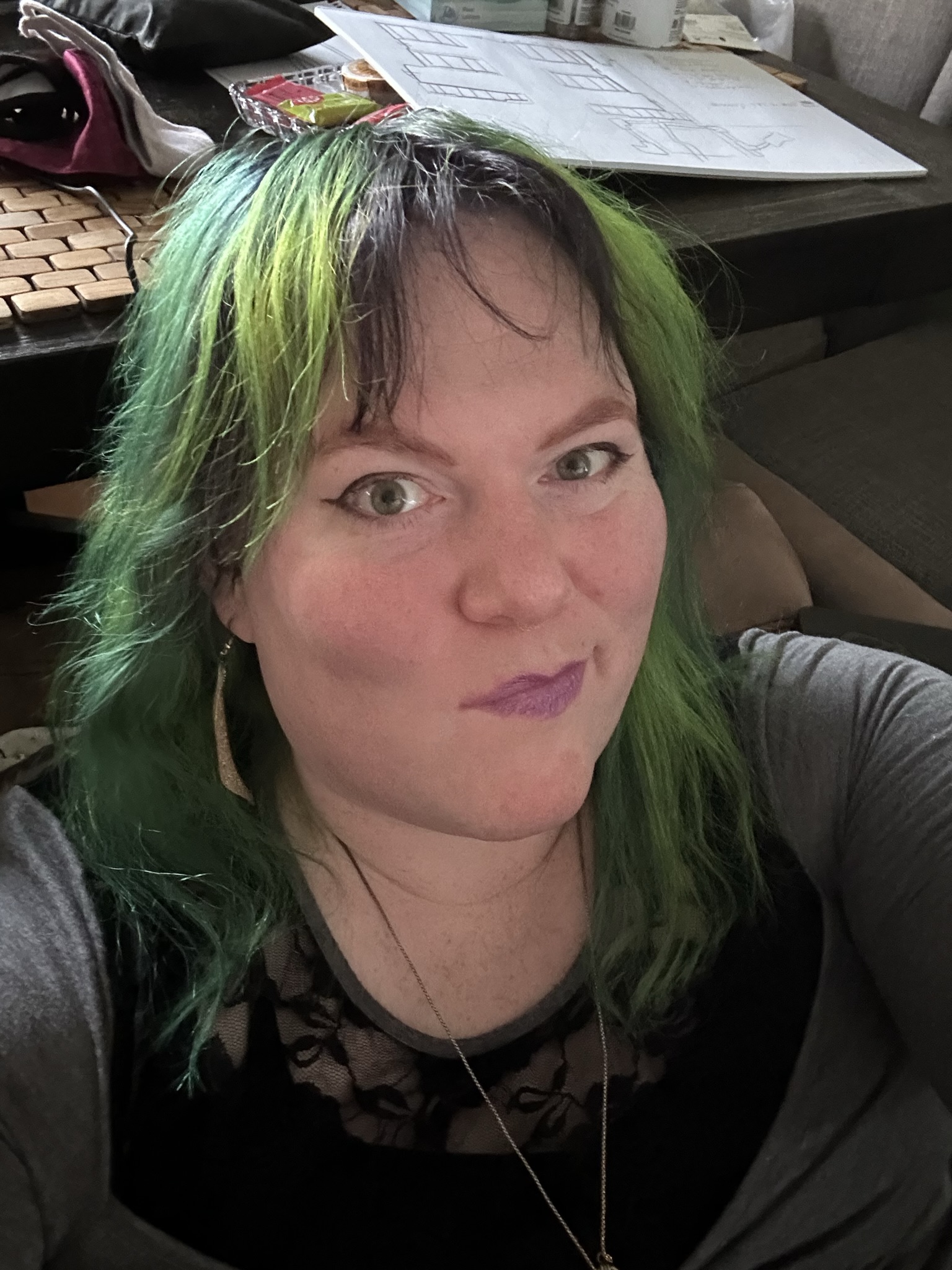
The actors, including JoBeth Williams (pictured) weren’t informed that they were interacting with genuine human remains until filming wrapped.
The crazy thing is that this isn’t limited to human remains.
Fake cameras often cost more than actual cameras. Fake food is more expensive than real food, which is then wasted.
I’ve wasted SO much money shooting movies with fake cameras.
Rookie mistake
True dat. Gotta start with fake money.
Fake food is often designed to survive heat from sets and lights. Filming for ads is different than filming movies, but the same idea applies. They also make low-sound versions of things like paper bags as to not ruin takes when things get carried by actors, moved around, or dragged on the set floor.
Using fake firearms is more expensive than using real ones with blanks, using real money is often cheaper than fake Hollywood money
Lord of war used real AKs for that reason
The staff ate it later.
The staff later had to get their stomachs pumped because the prop food was toxic.
Oh is that where the skeletons came from? 🙃
Unfortunately the stomach pump was also a prop.
Fake food can be reused and real food can’t, mkaing fake food cheaper in the long run.
Thats why I only eat fake food. It saved me so much money over my lifetime.
We have some fake flowers as decor. They’re on their fifth year. It is a fight to let me bring real flowers in but there are so many outside
It always pissed me off how in the Big Bang Theory, you always see them with food, but you never see them eat. I can probably count on one hand the number of times in the whole series someone actually takes a bite off camera.
I hope the crew got to eat all the stuff they never touched on camera, cause that shit always looked good. I got so many cravings watching that…
Actors will try to avoid eating in scenes, because if they end up having to do multiple takes, they have to take a bite of the food at the same point in the scene every take for continuity reasons. This can result in them getting sick of the food quickly.
Not me, if I was acting in a food scene and we had to do multiple takes, the viewers would notice my plate suddenly getting emptier every few seconds
Chris Pratt would do this on P&R.
But honestly I can’t tell the difference.
He was famous for spewing in a bucket, because he’d keep eating
Unfortunately, he’s a dumb, religious moron who isn’t actually a role model at all, unlike Aubrey Plaza and Nick Offerman
Wasn’t The Big Bang Theory filmed go front of a live audience?
I’m still unclear on whether that was chicken.
I heard that they just used real ghosts 👻 too 😱 /s
not union ghosts =/
Ghost scabs!
Sounds like an unpleasant venereal disease…
Ghost scabs isn’t a thing. Spooky Vaginosis, however…
Ghosts of the world unite! You have nothing to lose but your chains!
But then what will I rattle to be spooky?
Bones!
The more interesting tidbit is that this is actually pretty common. The prop house using real skeletons was actually pretty common and not unique to this production. The notable thing about this film was the sheer number of skeletons that they used, so they basically scooped up everything that was out there, and how much the live actors actually interacted with the skeletons. It wasn’t particularly unusual for skeletons to be used as props.
Really, just about any time you saw a skeleton on screen before the 90s or so, it was probably real. A lot of real world props and decorations also used real skeletons, sometimes to the surprise of the people using them. For example, if you rode the original Pirates of the Caribbean ride at Disney Land, you saw real human skeletons.
So you’re saying my chance to make it as an actor will outlive me
Hah! And they said my film degree would amount to nothing. Well look at me now! [ drops dead ]
Pirates of the Caribbean in Disneyland also used medical skeletons. It wasn’t that long ago that they were really easy to purchase, a couple instructors at my university had full skeletons and would bring them in for class. I wanted to buy one just to keep in my closet as a joke, but beer came first.
In Germany a school recently held a funeral for their school skeleton, which was an actual human. They suspected that this was a young Indian man. Up to the 20th century, you could easily buy a dead person from India. There are still schools with actual human remains.
I plan on donating my me to a school with human remains, for dissection in their cadaver lab. Afters, composting. Probably won’t happen, but we’re gonna try
Wtfff wtf did they at least contact the people this persons remains got stolen from?? Fucking boil this country good lord
It was pretty common up till the 60s and maybe later to get human skeletons form South Asia, they were often obtained from flood or landslide victims, and have no identifiers except maybe an inventory number.
Modern stuff however, is obtained when someone donates their remains, and is often only held for a limited time before interred. They are anonymized to the student / researcher, but there is a record of who they were. The med school’s anatomy lab here has some pretty neat stuff (or did 20 years ago when I went), including a woman’s plasticized torso that had been sliced into 1 inch wafers, and an autopsied man who was born with his organs rotated in his body so that everything was on the wrong side. I still have the illustrations I drew from that anatomy class somewhere.
I’ve heard that modern cadavers donated for medical research are treated with a high degree of respect and appreciation, which I’m guessing is probably a reaction to the way things used to be.
It may have been a donation. Donating your body to science can result in you becoming a classroom skeleton, or blown up in the sky with a rocket. If you’re lucky enough, they put you in a field and let your body rot, while observing the process. You don’t really get a say in it, but cadavers are used for all sorts of things.
Beer comes and goes, but skeleton is forever.
Ah, so not the whole we are both in the pool so if a light falls we are both dead.
Toby Hooper, always pinching those pennies!
Don’t leave it all on Tobe. Depending on how recently you’ve asked him, Spielberg directed none, some, most, or all of this movie.
Hmm wouldn’t they have some sort of smell left?
Ever sniffed a bone?
To be fair, in Poltergeist they were essentially all part of a broth.
They should have included posthumous credits
Anonymity is one of the parts of donating your remains.
That’s a good point so I wonder why there have been instances in which next of kin were notified that their loved ones’ bodies were used in horrific ways
It’s not fully anonymous, that invites grave robbing like the early days of medicine. There’s still accountability when needed.
If it doesn’t benefit the military somehow I’d be A-OK with this happening to me
Well blast testing is technically science if they record the results.
I don’t think that’s 100% true. The guy that famously (posthumously) plays Yorick ('s skull) is not anonymous. (I just have problems with remembering names.)
Also, posthumous organ donation isn’t necessarily anonymous.
It’s eco friendly, fully biodegradable, and (technically) abundant.
Honestly we should be weary cuddling up to plastic.
(I don’t actually remember - they prob used the bones & still covered them in masks & whatnots?)We should be wary of plastic. Deep down they are made of dinosaurs
Except they are not, oil is made from dead compressed plankton
Im sure some dinosaurs got caught in there!
I bet that plankton ate dinosaurs tho
Her corpse:water ratio is 0.
If you like to research the macabre, look up Elmer McCurdy, a veteran turned outlaw that was mummified and used as a side show prop for roughly 50 years. His remains weren’t burried until the 70s.